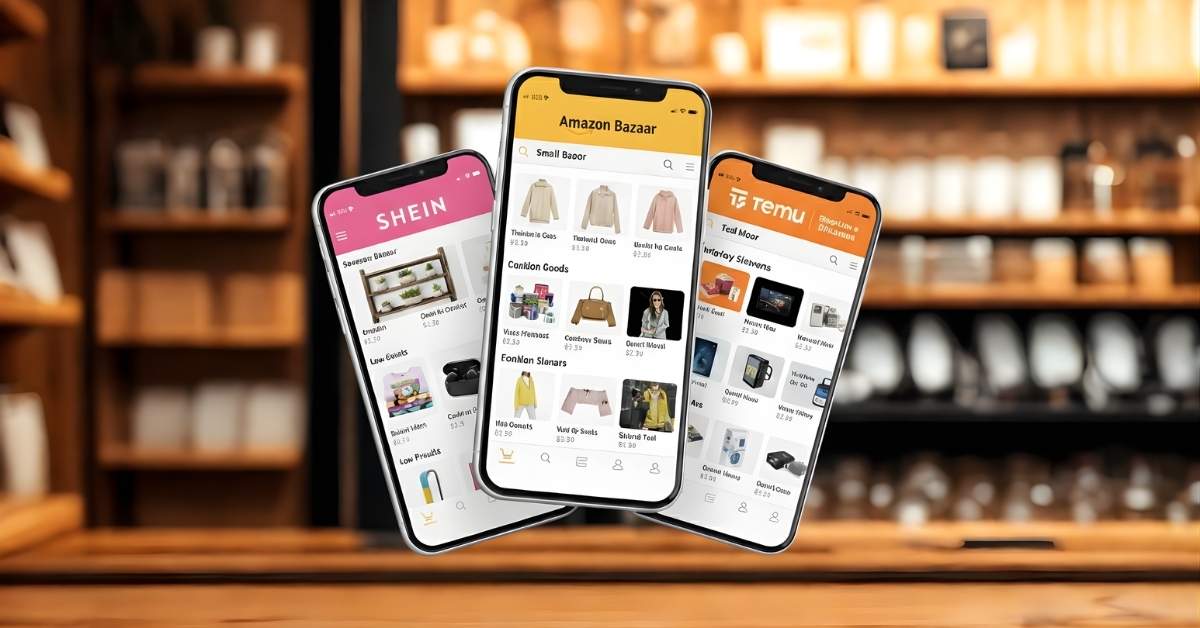
Amazon Bazaar’s Global Expansion: A New Era of Affordable E-commerce
In a world where inflation continues to squeeze consumers and disposable income is shrinking, the demand for affordable online shopping has never been higher. Retail giants are now racing to win the hearts of budget-conscious buyers who crave value for money without sacrificing convenience.
In November 2025, Amazon announced the global expansion of its low-cost e-commerce service, Amazon Bazaar, also known as Amazon Haul in the United States. The move marks Amazon’s most aggressive push yet into the rapidly growing market of ultra-cheap goods — a space long dominated by Chinese players such as Shein and Temu.
The launch of Amazon Bazaar in 14 new international markets signifies more than just a new product line; it represents a strategic shift in how Amazon aims to capture the next billion shoppers in developing and emerging economies.
🛍️ What Is Amazon Bazaar?
Amazon Bazaar is Amazon’s answer to the global appetite for low-cost merchandise. Initially launched in Mexico in 2024, the service allows shoppers to buy extremely affordable products, many priced between $2 and $10. From home décor to clothing and small accessories, Bazaar focuses on essentials — products that can attract users looking for value over luxury.
The service operates as a standalone app, but in some regions, it’s integrated as a section within the main Amazon app under the name Amazon Haul.
The concept is simple: Offer millions of budget-friendly items shipped directly from Amazon’s global fulfillment centers to customers’ doorsteps — ensuring reliable delivery and consistent service standards.
The affordability of Amazon Bazaar’s products is achieved by leveraging Amazon’s logistics network, direct-from-factory partnerships, and eliminating intermediaries, driving prices down to compete directly with Chinese low-cost platforms.
🌍 Amazon’s Global Expansion Strategy
From its modest beginning in Mexico, Amazon Bazaar has now expanded to 14 new markets, including Hong Kong, the Philippines, Nigeria, and Taiwan, alongside previous launches in Saudi Arabia and the UAE.
This expansion highlights Amazon’s recognition of emerging markets where consumers are increasingly online yet highly price-sensitive.
According to D.A. Davidson & Co analyst Gil Luria:
“Amazon has only entered a market when it believed it can scale up to a level where it delights consumers and builds a profitable business.”
Amazon’s international revenue reached $40.9 billion in Q3 2025, a 10% year-over-year growth, showing strong global momentum despite economic challenges.
By focusing on developing e-commerce regions, Amazon Bazaar positions itself to capture a vast audience — from urban middle-class consumers to first-time rural online buyers.
⚔️ Competing With Shein and Temu
Amazon’s entry into the ultra-cheap goods segment places it in direct competition with fast-rising giants Shein and Temu.
Both Chinese companies have disrupted global retail through low-cost, high-volume sales. Shein now operates in over 160 countries, while Temu ships to at least 70 nations.
However, both have faced scrutiny over product quality, labor practices, and regulatory compliance, especially after the U.S. government under President Donald Trump ended the “de minimis” trade exemption, which allowed duty-free imports under $800. This change hit their U.S. operations hard.
Amazon, by contrast, enjoys a trust advantage, global logistics infrastructure, and reliable returns policy.
While Shein and Temu focus on flash sales and ultra-low pricing, Amazon’s strength lies in reliability, customer service, and delivery consistency.
By targeting the same price-sensitive audience, Amazon aims to retain dominance and reclaim market share from Chinese competitors that have captivated millions of young shoppers.
💰 Economic Context: Tariffs and Consumer Behavior
The global drive for cheaper goods is happening amid tariffs and trade tensions. In major economies, import restrictions have pushed up prices on goods sourced from Asia.
As President Trump’s administration reintroduced sweeping tariffs, consumers — especially lower-income groups — turned to affordable online options.
This environment provides fertile ground for Amazon Bazaar. With its global supply chain, Amazon can absorb tariff shocks better than smaller retailers and maintain competitive prices through logistics efficiency and technology.
In essence, Amazon Bazaar is a strategic economic response to inflationary pressures and shifting trade dynamics.
⚙️ How Amazon Bazaar Works
The operational backbone of Amazon Bazaar is its direct-from-warehouse shipping model.
Instead of relying on third-party sellers or local distributors, most items are shipped directly from Amazon’s fulfillment centers.
Deliveries are managed through Amazon’s global service network, ensuring predictable shipping times and trustworthy service even in remote areas.
To maintain low prices, Amazon emphasizes a limited but essential catalog — home goods, fashion, small electronics, and beauty products — while cutting unnecessary costs like brand advertising.
Additionally, Amazon uses AI-driven product recommendations to predict what budget shoppers will buy next, optimizing inventory management and user satisfaction.
This model mirrors the simplicity of Shein and Temu, but adds Amazon’s reliability, making it a potential game-changer for millions of shoppers worldwide.
🚀 Opportunities and Challenges Ahead
While Amazon Bazaar’s expansion offers massive growth opportunities, it also comes with challenges.
The low-cost retail space is highly competitive with thin margins. Achieving profitability will depend on Amazon’s ability to balance price and quality.
Another challenge is local adaptation — consumer behavior varies greatly across markets. For example, Nigeria’s buying trends differ from Taiwan’s.
Amazon must localize payment options, languages, and catalogs to succeed.
In regions dominated by local players like Jumia (Africa) and Lazada (Southeast Asia), Amazon must differentiate through service excellence and trust — its historic strengths.
Still, analysts believe the potential rewards outweigh the risks. If Amazon perfects this model, Bazaar could reach nearly every country on Earth within a decade.
🌐 The Future of Ultra-Cheap E-Commerce
Global e-commerce is entering a new era where affordability and accessibility take priority over luxury.
Platforms offering cheap yet reliable products will dominate emerging markets in the coming years.
With Amazon’s logistics, AI, and infrastructure, Bazaar could redefine digital retail for low-income consumers and promote financial inclusion by introducing digital payments in cash-driven regions.
This move aligns with Amazon’s long-term vision — to make its ecosystem indispensable across all income segments, from Prime shoppers to budget buyers.
🏁 Conclusion
Amazon Bazaar’s global expansion marks a turning point in the evolution of e-commerce.
By focusing on affordability, accessibility, and trust, Amazon aims to become the go-to destination for the next generation of online shoppers.
This strategy not only challenges Chinese fast-fashion platforms but also reflects the changing priorities of consumers worldwide — convenience, reliability, and price sensitivity.
If executed well, Amazon Bazaar could trigger a global retail revolution, bringing millions of new users into the digital economy and reshaping how the world shops for everyday essentials.