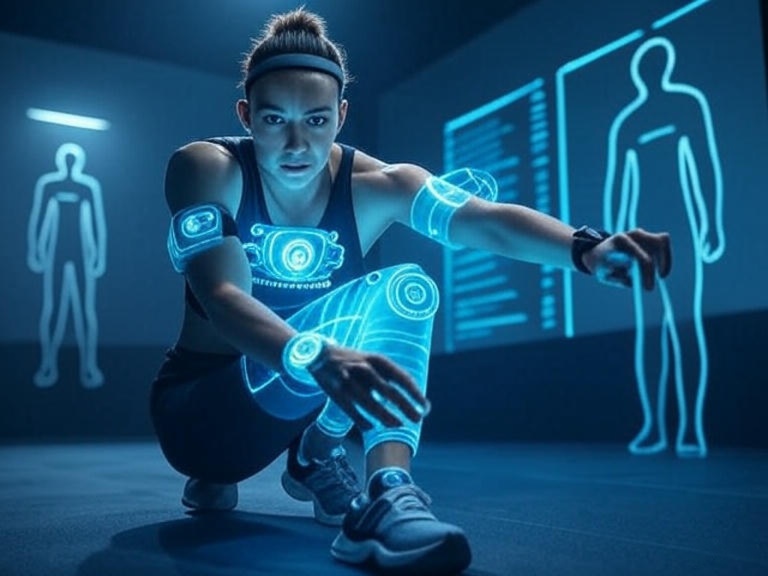
The Future of Sports Technology: Revolutionizing Performance and Engagement
How Innovations from 2010 to 2025 Are Transforming Athletics and Fan Experiences
Introduction: The Convergence of Sport and Innovation
Between 2010 and 2025, sports have undergone a technological transformation that transcends athletic prowess. Cutting-edge advancements—wearable sensors, virtual reality (VR), artificial intelligence (AI), augmented reality (AR), robotics, and smart gear—have redefined how athletes train, recover, and compete. Simultaneously, fan engagement has evolved through immersive broadcasts, interactive apps, and virtual experiences. From NFL sidelines to Olympic arenas, technology has become an indispensable teammate, enhancing performance, preventing injuries, and deepening global connectivity.
Industry leaders like Nike, Apple, Meta, Adidas, and startups such as Strivr, WHOOP, and Athos have been at the forefront of this evolution. This article examines pivotal technological advancements over the past 15 years, their real-world applications, emerging trends, and the ethical considerations shaping the future of sports.
1. Wearable Technology: Precision Performance Monitoring
The Dawn of Data-Driven Athletics
The 2010s marked a revolution in wearable technology. Devices like Fitbit, Garmin, and the Apple Watch transformed fitness tracking from simple step counts to comprehensive performance monitoring. Modern wearables track heart rate variability (HRV), sleep quality, oxygen saturation, stress levels, and recovery metrics, enabling athletes and coaches to make data-driven training decisions and minimize injury risks.
Applications in Elite Sports
- NFL: Shoulder pad sensors measure impact forces in real-time, aiding concussion prevention and informing safer tackling techniques.
- Olympic Swimming: Wearables assess lactic acid accumulation and stroke efficiency, optimizing training intervals.
- CrossFit & Golf: WHOOP straps track recovery scores and sleep analytics, helping elite athletes fine-tune performance cycles.
- Marathon & Triathlon: Garmin Forerunner provides live metrics and coaching feedback, assisting athletes in pacing and endurance optimization.
Industry Innovations
- Apple Watch Ultra: Offers precision GPS, VO2 max tracking, and extreme sports performance monitoring.
- WHOOP 4.0: Subscription-based analytics track strain, recovery, and sleep for optimized training cycles.
- Garmin Forerunner Series: Provides live coaching algorithms, performance analytics, and GPS mapping for endurance athletes.
- Oura Ring: Tracks sleep stages, HRV, and readiness scores to support daily performance decisions.
These wearables integrate with mobile apps and team dashboards, enabling precise adjustments to training regimens and reducing injury risks through real-time data insights.
2. Virtual Reality: Immersive Training and Rehabilitation
Enhancing Mental and Tactical Preparedness
Virtual reality (VR) has emerged as a game-changer for athlete training. VR simulations allow athletes to experience high-pressure scenarios safely, enhancing mental acuity, decision-making speed, and tactical understanding without physical strain.
Real-World Applications
- NFL: Teams like the Dallas Cowboys train quarterbacks in VR to recognize defensive formations, reducing on-field mistakes.
- La Liga: Soccer clubs simulate complex game scenarios to improve defender anticipation and offensive strategy.
- Olympic Gymnastics: Athletes rehearse routines in VR, enhancing muscle memory and confidence before competitions.
- Basketball: VR helps players visualize court positions and offensive plays during off-season training.
Rehabilitation and Cognitive Recovery
VR also supports post-injury rehabilitation. Cognitive simulations allow athletes recovering from concussions or injuries to maintain mental sharpness, simulate play strategies, and reduce recovery time while minimizing physical strain.
3. Smart Apparel: The Next Generation of Gear
Intelligent Fabrics and AI Integration
Smart apparel embedded with sensors and AI has transformed traditional sportswear into real-time coaching tools. These garments monitor posture, muscle activation, movement patterns, and biomechanics to provide actionable feedback for athletes and coaches.
Notable Innovations
- Nike Adapt BB: Self-adjusting basketball shoes adapt to foot shape dynamically during play.
- Adidas GMR: Insoles integrate with Google and EA Sports to track football metrics, syncing with FIFA Mobile.
- Athos Compression Wear: EMG sensors monitor muscle effort, enhancing form correction and preventing injuries.
- Under Armour Smart Shirt: Tracks breathing rate, heart rate, and caloric burn, connecting with coaching dashboards.
4. Augmented Stadiums: Redefining the Fan Experience
Immersive and Interactive Venues
Modern stadiums leverage 5G, AR, and advanced digital platforms to create engaging fan experiences. Spectators can access real-time stats, alternative camera angles, and predictive analytics, whether in-person or virtually, bridging physical and digital realms.
Key Developments
- Meta Horizon Worlds: Fans experience virtual courtside NBA games from home.
- AR Glasses (Nreal, Magic Leap): Overlay live player statistics, biometrics, and instant replays during games.
- Manchester City Digital Twin: Fans globally participate in virtual stadium experiences, including match attendance, merchandise, and social interaction.
- Interactive Apps: Provide predictive analytics, live polls, and player tracking for immersive engagement.
5. Performance Analytics: Winning Through Data
AI-Powered Insights
Advanced AI analytics turn every athlete movement into actionable data. Teams now deploy data labs to analyze biometrics, game metrics, and performance trends for strategic advantage.
Case Studies
- FC Barcelona: Uses AI and biometrics to manage player rotations, training intensity, and injury prevention.
- MLB: Pitcher fatigue is monitored in real-time to optimize substitutions and reduce injury risks.
- Olympic Swimming: AI-powered underwater cameras refine stroke technique and pacing for maximum efficiency.
- NBA: Teams use player tracking data to analyze court coverage, shot selection, and fatigue patterns.
6. Recovery and Injury Prevention: Smarter Rehabilitation
Precision Recovery Solutions
Modern recovery integrates wearables, AI, biomechanics, and robotics to customize rehabilitation plans, moving away from traditional guesswork.
Innovations in Recovery
- Exosuits: Guide limbs through low-impact movements to accelerate recovery.
- AI Therapy Apps: Adjust exercises in real-time based on sensor feedback.
- Cryotherapy Pods: Use data-driven analytics to optimize treatment duration and intensity.
- Smart Compression Gear: Supports circulation, reduces inflammation, and tracks recovery progress.
7. Emerging Trends: The Next Frontier
Neural Interfaces and Biometric Integration
Brain-computer interfaces (Neuralink) could enable athletes to control muscles via mental commands, optimize focus, and monitor cognitive load for peak performance.
Blockchain and Fan Engagement
Platforms like Socios.com offer fan tokens, enabling supporters to vote on club decisions. NFT-based ticketing combats scalping while creating collectible digital assets.
DNA-Personalized Training
Startups provide genetic-based nutrition and fitness plans, tailoring regimens to individual DNA profiles for optimal athletic output.
Mixed Reality Fitness
Devices like Apple Vision Pro and Meta Quest 3 enable immersive home training with virtual coaching, biometric feedback, and interactive workouts.
Sports Robotics & Exoskeletons
Robotic exoskeletons enhance training strength, assist in rehabilitation, and allow high-intensity workouts with controlled injury risk. Professional cycling and weightlifting teams are already experimenting with these technologies.
AI Coaching Assistants
AI-driven virtual coaches analyze performance metrics, recommend drills, and provide predictive analytics to enhance individual and team training.
Sustainability & Eco-Friendly Sports Tech
Wearables and smart apparel are increasingly designed using sustainable materials. Stadiums are adopting solar power, smart lighting, and digital ticketing to reduce environmental impact.
8. Ethical Considerations: Balancing Innovation and Fairness
Privacy and Mental Health
Continuous monitoring raises concerns about athlete privacy and mental pressure. Data ownership, misuse in contract negotiations, or performance evaluations are emerging challenges.
Access and Equity
High costs may prevent smaller teams and developing nations from accessing advanced technology, widening performance gaps and challenging inclusivity in elite sports.
Digital Doping Risks
Data-driven performance enhancement could become a form of “digital doping.” Regulatory frameworks are necessary to ensure fairness in competitions.